
Women's Empowerment and Gender Equality
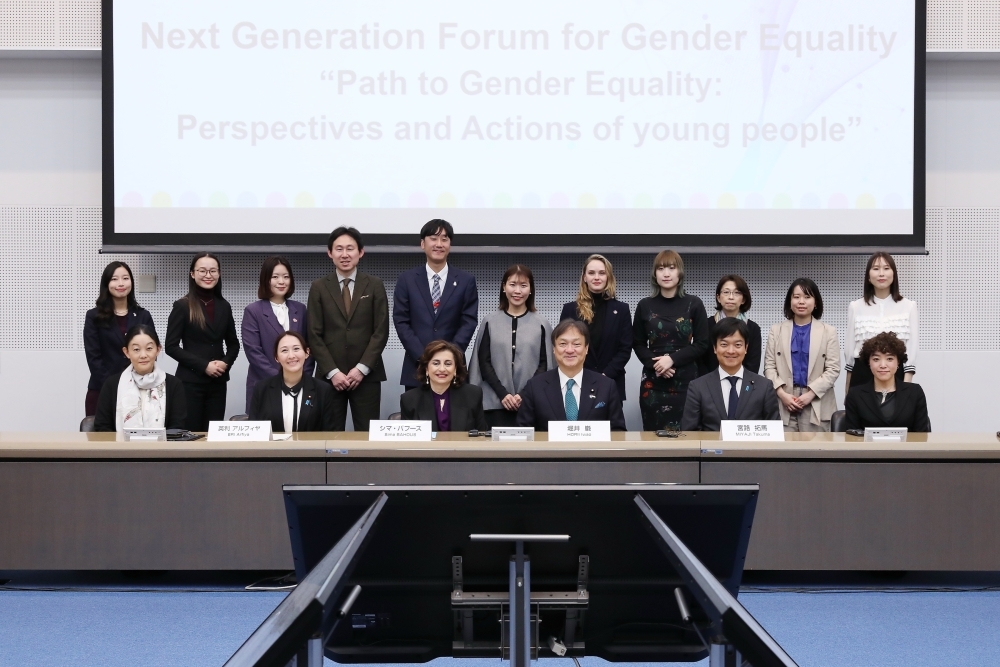
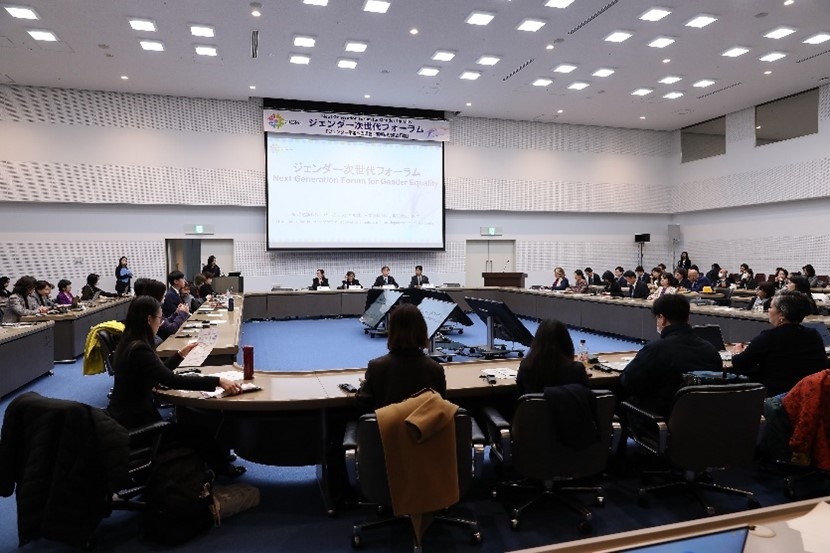
Next Generation Forum for Gender Equality
"Path to Gender Equality: Perspectives and Actions of Young People"

Results
Date and Location
Date: December 10, (Wed), 2025 13:30-17:30
Location: Elizabeth Rose Conference Hall, United Nations University (map )
)
Organizer: Ministry of Foreign Affairs
Co-organizer: United Nations University Cooperation: UN Women
Concept
1. Background
This year marks the 30th anniversary of the adoption of the "Beijing Declaration" and "Platform for Action," which provided guidelines for efforts toward gender equality, stating that "women's rights are human rights" at the Fourth World Conference on Women.
During this time, the international community has undertaken various efforts to achieve gender equality. The Sustainable Development Goals (SDGs), set by the United Nations in 2015 as international goals aiming for a sustainable and better world by 2030, also include "Achieve gender equality and empower all women and girls" as Goal 5.
However, according to this year's World Economic Forum report, based on the current speed of progress, it will take 123 years to reach full gender parity globally, and it is necessary to further accelerate efforts.
On the 30th anniversary of the Fourth World Conference on Women, based on the SDGs and the "Pact for the Future" adopted at the Summit of the Future last year, UN Women has identified six priority areas for action by 2030 to accelerate efforts toward gender equality and women's empowerment: (1) A digital revolution, (2) Freedom from poverty, (3) Zero violence, (4) Full and equal decision-making power, (5) Women, Peace and Security (WPS), and (6) Climate justice. It is strongly expected that young people will become the driving force involved across all these areas.
2. Next Generation Networking Program for Gender Equality
In this context, the Ministry of Foreign Affairs has started the Next Generation Networking Program for Gender Equality this fiscal year. Its aim is for Japan to promote gender equality (SDG Goal 5) together with the world, especially in Asia, thereby achieving a flexible and resilient future society that is rich in diversity and able to respond to new challenges.
The Program comprises three pillars, one of which is the Next Generation Forum which will be held in December. It aims to provide the youth as future promoters of gender equality with an opportunity to deepen their understanding of international discussions and issues in the gender field, promote research and discussions among them, foster their development, and build networks. The forum emphasizes encouraging young participants to think for themselves and bring their thoughts to future actions, incorporating an interactive format.
3. Overview of the First Next Generation Forum for Gender Equality
This First Gender Next Generation Forum for Gender Equality will welcome the Executive Director of UN Women, Dr. Sima Bahous, to deliver a keynote speech at the opening ceremony. She will share international issues and trends surrounding gender equality and convey a message to the youth.
The main body of the forum consists of three sessions. In Session 1, a panel discussion on the theme of women's participation will be held. Among the aforementioned six priority action areas, Japan is particularly committed to "Full and equal decision-making power" and "WPS." Women's participation is fundamental for reflecting women's opinions in decision-making and is also one of the four pillars of WPS. Based on reports from overseas indicating that Japan is particularly lagging in women's participation in the political and economic fields, this session will feature individuals active in various sectors who will share their experiences and discuss why women's participation is important, what is needed to promote it, and what the youth can do now.
During Session 2, young researchers dispatched to overseas research institutions under the Next Generation Networking Program will give their reports. They will mainly talk about trends in international gender studies they observed during their dispatch and the importance of building networks with overseas research institutions.
Finally, in Session 3, we will focus on gender bias (gender roles), which is considered one of the factors hindering the promotion of women's participation. Speakers will share their experiences in schools and workplaces, discuss the impact of gender bias, the need for improvement in promoting women's participation, and what is required to achieve that.
It is expected that the younger generation, who have deepened their understanding of gender equality through this forum, will be active in the private sector, academia, civil society, central and local government, and international organizations and reflect gender perspectives in various policies and contribute to the promotion of the SDGs and a gender-equal society both domestically and internationally.
General Audience Registration Form (Closed)
General Audience Registration is now closed.
Program
13:00-13:30 Registration
Opening
|
Session 1: Panel Discussion on Women’s Participation
|
Session 2: Report from Young Researchers
|
Session 3: Panel Discussion on Gender Bias (Gender Roles) Hindering the Promotion of Women's Participation
|
Closing
|
17:30 End
Opening
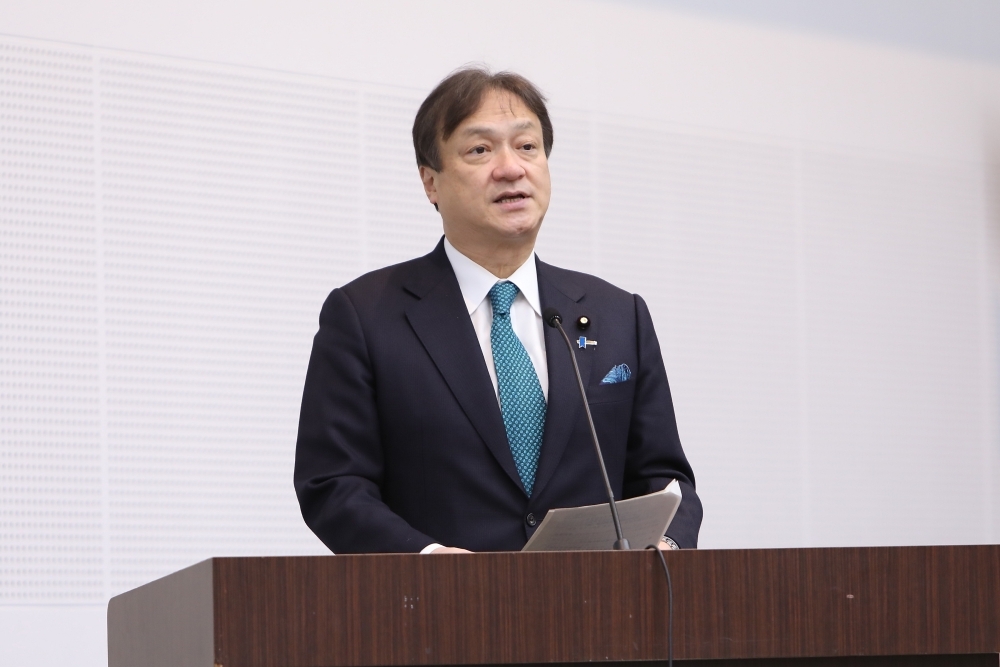
HORII Iwao, State Minister for Foreign Affairs
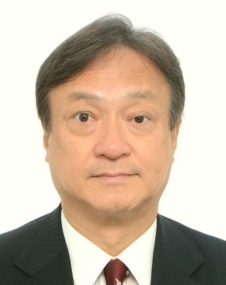
After Graduating from the University of Tokyo, he joined the Ministry of Home Affairs. He was first elected in the 23rd general election of the House of Councillors in 2013. He was appointed Parliamentary Vice-Minister for Foreign Affairs in 2017 and State Minister for Foreign Affairs in 2023 and 2025.
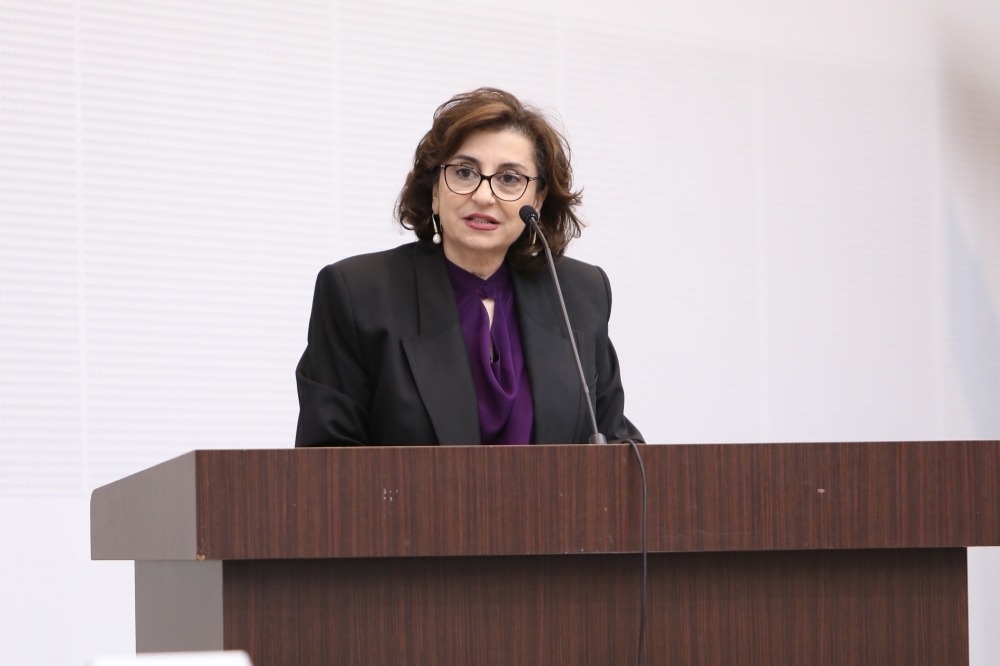
Sima BAHOUS, UN Under-Secretary-General and UN Women Executive Director
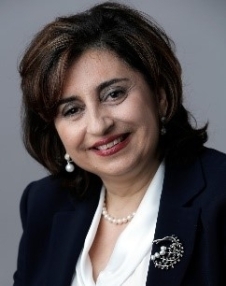
Appointed as UN Women’s third Executive Director in September 2021. Dr. Bahous has more than 35 years of leadership experience and expertise in advancing women’s empowerment and rights. Prior to assuming this post, she served as the Permanent Representative of Jordan to the United Nations, Assistant to the UNDP President and Director of the Arab Bureau (2012-2016). Received PhD in mass communication and development from Indiana University.
Session 1: Panel Discussion on Women’s Participation (Speakers listed below the moderator are in alphabetical order. Titles omitted.)
Miki NAGASHIMA, Advocacy Group Leader, Plan International Japan
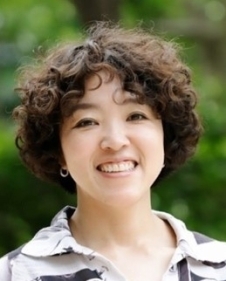
Ph.D. in Political Science. After working with NGOs and advocacy campaigns, she now leads research and policy proposals on girls’ leadership and empowerment at Plan International Japan. She serves as an Expert Member of Japan’s Council for Gender Equality (Cabinet Office) and as Co-Delegate of W20 Japan.
ERI Arfiya, Member of the House of Representatives / Parliamentary Vice-Minister for Foreign Affairs
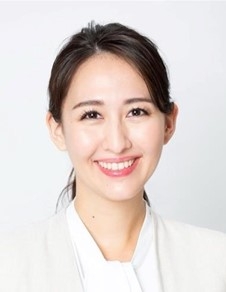
She joined the Bank of Japan in 2012, and subsequently joined the United Nations Secretariat in New York in 2016. She was first elected in the 2023 by-election for the House of Representatives in the Chiba 5th Electoral District. She was appointed Parliamentary Vice-Minister for Foreign Affairs in the 2nd Ishiba Cabinet in 2024 and re-appointed in the Takaichi Cabinet in 2025. She holds a B.Sc. in Foreign Service and M.A. in Eurasian, Russian, and East European Studies from Georgetown University School of Foreign Service, USA.
Dayoung HAM, CEO/CTO, bgrass Inc.

With a mission of "Liberating the pursuit of what you want to be" and a vision of "Making bias-free selection and evaluation norm through systems and technology". She tackles social structural issues through two pillars: "WAKE Career", a support service for female IT engineers, and "Fair path", a recruitment management AI agent enabling fair hiring. Born in Korea, raised in Japan. She joined Sler as a new graduate, gaining experience in development and as a PL before founding her own company in 2022.Selected for the Women Leaders Support Fund 2022, BEYOND MILLENNIALS 2024, and Forbes Women in Tech 30 2024.
Anna KRESHCHENKO, Chief Executive Officer, Flora Co., Ltd

Came to Japan in 2017 as a MEXT student, received LLB from Kyoto University in 2022. Started Flora as a femtech venture in 2020. Nominated for Forbes Japan “Next 100”, Forbes Asia & Japan 30 under 30.
Chika MINAMI, Representative Director, Public Meets Innovation (General Incorporated Association)
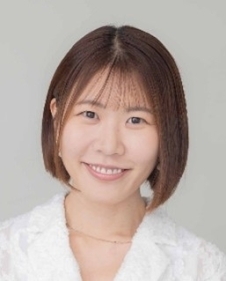
Lawyer at ZeLo, specializes in startup support and rule-making initiatives. Director for Startup Policy at Ministry of Economy, Trade and Industry (METI) until last year. Holds an LL.M. from the University of Pennsylvania Law school, and an LL.B and a J.D. from Kyoto University.
Naoki TAKANOSU, Diversity and Inclusion Promotion Department, ESG Management Promotion Headquarters, Sekisui House, Ltd
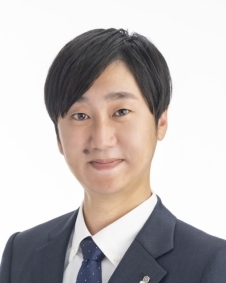
Joined an electronic components manufacturer as a new graduation and worked seven years in Human Resource before joining Sekisui House in 2024 as a mid-career hire. Currently serves in diversity promotion department, overseeing initiatives related to paternity leave, LGBTQ programs, and employee well-being surveys.
Session 2: Report from Young Researchers (In order of appearance, titles omitted)
Remi KODAMAYA, Specifically Appointed Lecturer, Graduate School of Social Sciences, Hitotsubashi University
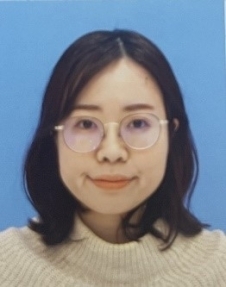
Received Ph.D. in Sociology from Hitotsubashi University. Her research interests include gender studies of militarism and war. Has published a number of papers, book chapters, and conference papers, such as “Considering How to Theorize Military Masculinities of the Japanese Self-Defense Forces” in Women’s Studies, Vol. 31. Awardee of the Grant-in-Aid for Early-Career Scientists from the International Society for Gender Studies.
Natsumi INOUE, Senior, College of Liberal Arts, International Christian University
A researcher exploring ways of communicating gender that can expand people’s sense of ease and belonging with no one left behind through work with international NGOs and community initiatives. Also focuses on local WPS, especially systems that enable researchers, municipalities, and citizens to collaborate effectively.
Session 3: Panel Discussion on Gender Bias (Gender Roles) Hindering the Promotion of Women's Participation (Speakers listed below the moderator are in alphabetical order. Titles omitted.)
Renge JIBU, Associate Professor, Institute of Science Tokyo (Moderator)
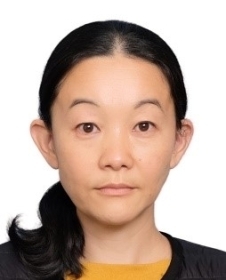
Graduate of Hitotsubashi University (LL.B., M.B.A.). Former journalist at Nikkei Business Publications and Fulbright Visiting Researcher at the University of Michigan. Currently researches corporate responses to changing social norms. Member of the Cabinet Office Expert Committee for the Sixth Basic Plan for Gender Equality and the Japanese National Commission for UNESCO.
Shuhei NAKATA, President, Nakata Kogei CO., LTD
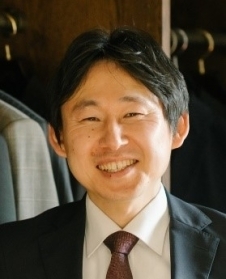
Born in 1978, graduated from the University of Arizona with a degree in Business and began a career in New York. Joined Nakata kogei in 2007, launching NAKATA HANGER and opening its Aoyama showroom. Appointed President in 2017, driving global expansion, new market development, and initiatives to empower women and engaging corporate culture.
Ayano SAKURAI, Representative Director & President, GENCOURAGE, General Incorporated Association

Engages in initiatives at GENCOURAGE to foster the next generation in creating a gender-equal future and to integrate young people’s voices into public policy. Serves as an Expert Member of the Liaison Council for the Promotion of Gender Equality and as a Special Member of the Government Tax Commission. Participated in the 60th, 62nd, and 69th UN CSW sessions.
Sayaka TANAKA, Founder/CEO, NPO Waffle
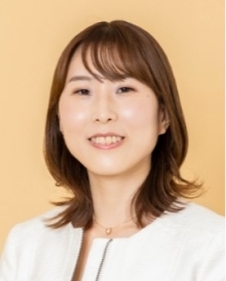
She founded NPO Waffle in 2019 to empower girls in tech. She was selected as a 2024 Young Global Leader by the World Economic Forum and serves as a member of MEXT’s Central Council for Education (Information & Technology Working Group) in 2025.
Haruka UENO, Team Leader, Policy Recommendation Team, #YourChoiceProject (non-profit organization)
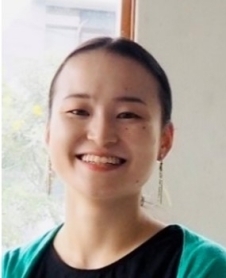
Raised in Aichi Prefecture. Currently studying International Relations at university while serving as the head of the Policy Recommendation Team at #YourChoiceProject (non-profit organization), working to eliminate gender and regional disparities in access to higher education and career opportunities.
Closing
Aya SUZUKI, Senior Vice-Rector of the United Nations University and Assistant Secretary-General of the United Nations / Professor at the Department of International Studies, Graduate School of Frontier Sciences, the University of Tokyo / Special Assistant to the President, the University of Tokyo
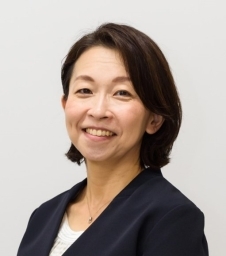
Received a Ph.D. in Development Economics and Agricultural Economics from University of California, Davis. She is a development economist who has studied various issues facing smallholder farmers in Africa and Asia, particularly regarding their linkages with global food systems. She is a founding board member of the Japanese Association for Development Economics and an editorial board member of the Asian Development Review.