
Japan's Security / Peace & Stability of the International Community
IAEA Response and Assistance Network (RANET)
Capacity Building Centre’s Workshop on Communication with the Public in the Event of a Nuclear or Radiological Emergency and RANET Joint Assistance Team (JAT) Exercise held in Fukushima
The IAEA Response and Assistance Network (RANET) Capacity Building Centre (CBC) has been designated in Fukushima Prefecture, based on the Practical Arrangements (PDF)  between the IAEA and the Ministry of Foreign Affairs outlined in the "Memorandum of Cooperation between Fukushima Prefecture and the International Atomic Energy Agency (IAEA)" (PDF) signed in December 2012, and has conducted 31 activities such as workshops related to the response to nuclear or radiological emergency. Taking into account the experiences and lessons learned from the Tokyo Electric Power Company (TEPCO) ’s Fukushima Daiichi Nuclear Power Station accident, the Government of Japan has contributed to international nuclear safety by supporting activities at the CBC.
In March, two activities were carried out at the CBC, and the overview is as follows:
- Workshop on Communication with the Public in the Event of a Nuclear or Radiological Emergency
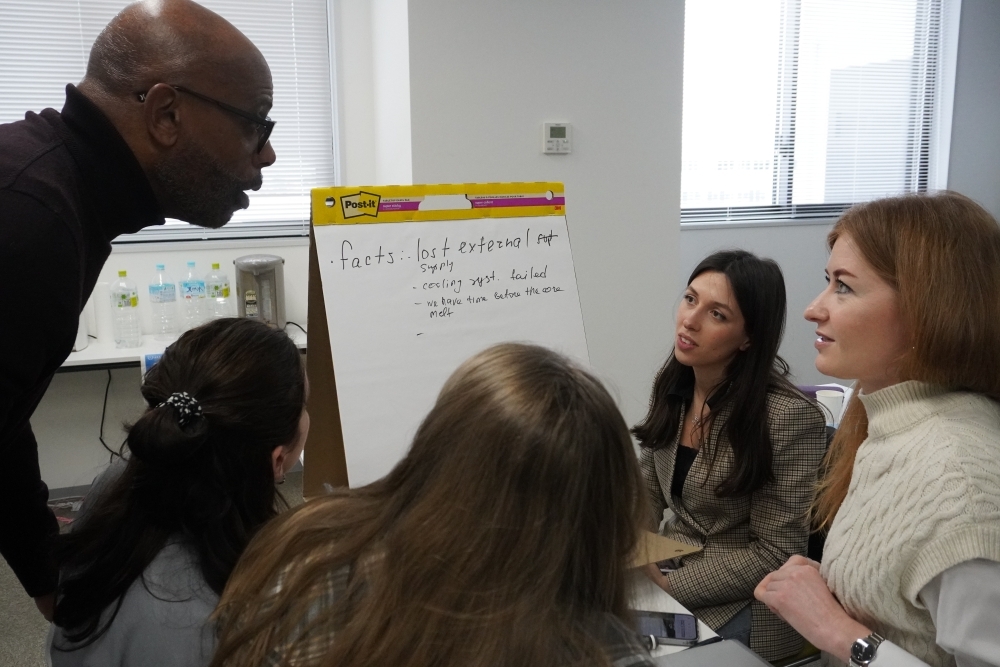 CBC’s Workshop
(Photo: IAEA)
CBC’s Workshop
(Photo: IAEA)
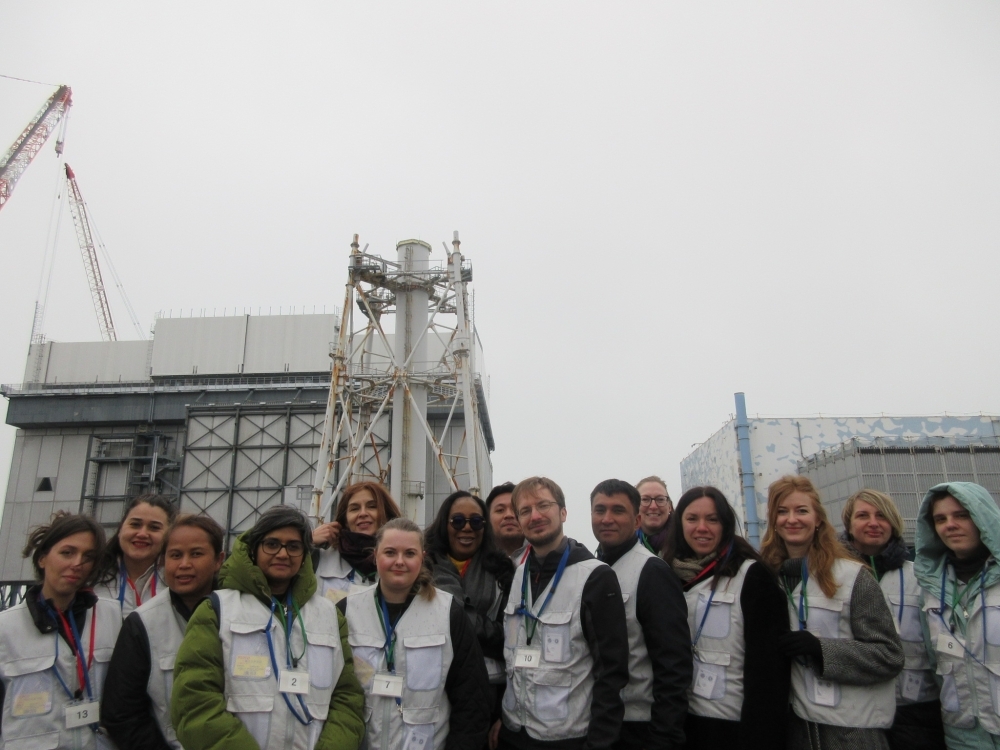 Site Visit to the TEPCO's Fukushima Daiichi Nuclear Power Station
(Photo: TEPCO)
Site Visit to the TEPCO's Fukushima Daiichi Nuclear Power Station
(Photo: TEPCO)
- From March 2 to March 6, a “Workshop on Communication with the Public in the Event of a Nuclear or Radiological Emergency,” marking the 32nd activity of the CBC was held and 15 experts from 12 IAEA member states - Georgia, Jordan, Kazakhstan, Lithuania, Malaysia, Nigeria, Poland, Serbia, Thailand, Türkiye, Ukraine and Uzbekistan participated.
- The workshop aimed to strengthen the participants’ capacity to communicate with the public during nuclear or radiological emergencies. It included lectures on acquiring speaking and response skills as spokesperson, addressing misinformation and disinformation, and a visit to the TEPCO Fukushima Daiichi Nuclear Power Station (FDNPS).
- RANET Joint Assistance Team (JAT) Exercise
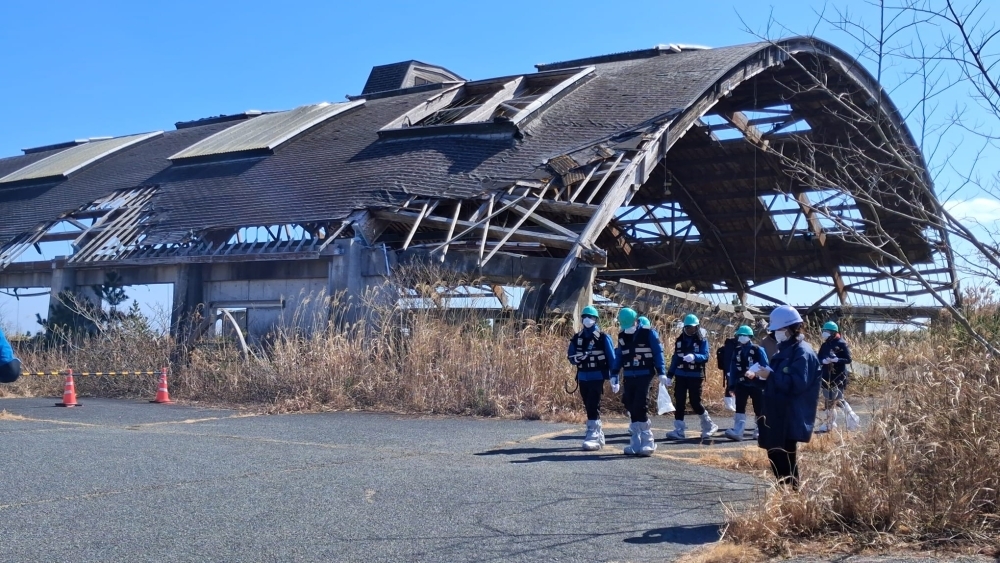 Field exercises of the JAT in Fukushima
(Photo 1: IAEA)
Field exercises of the JAT in Fukushima
(Photo 1: IAEA)
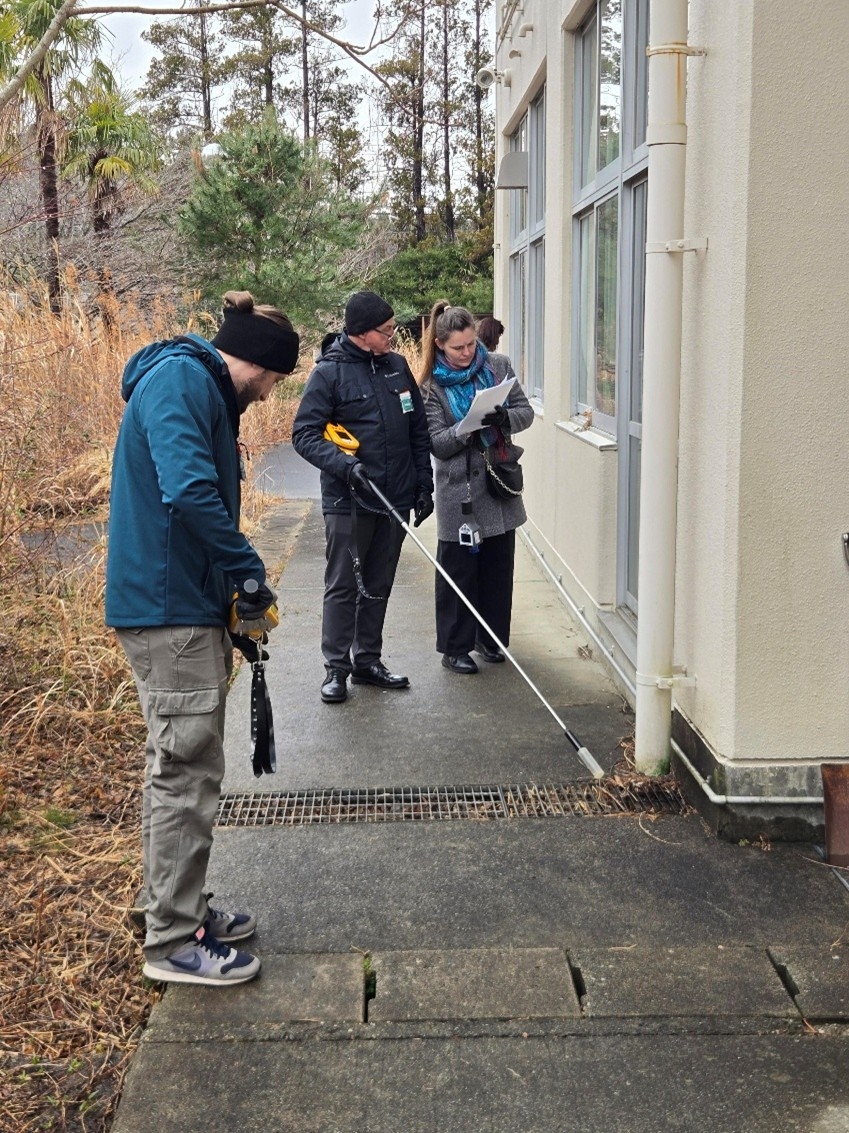 Field exercises of the JAT in Fukushima (Photo 2)
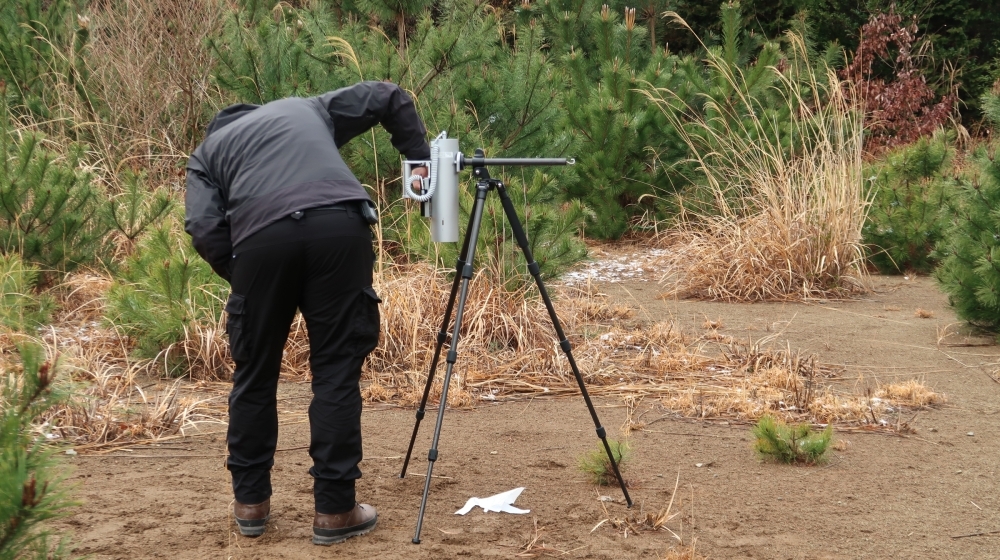 Field exercises of the JAT in Fukushima
(Photo 3: Fukushima Prefecture)
Field exercises of the JAT in Fukushima
(Photo 3: Fukushima Prefecture)
- From March 9 to March 13, the CBC held its 33rd activity: the RANET JAT exercise. Experts from 8 IAEA member states —France, Romania, Saudi Arabia, South Korea, Sweden, Thailand, Ukraine, and the United States participated.
- This exercise aimed to train the participants to conduct radiation monitoring and, based on that monitoring, make recommendations on public protective actions in response to nuclear or radiological accidents and emergencies. It included lectures on radiation surveillance and public protective actions in emergencies, as well as practical training on radiation monitoring activities, data management, and analysis in Fukushima Prefecture, including activities at the interim storage facilities.
- Through these activities, it is expected that the cooperation between Japan and the IAEA will be reinforced, and that nuclear and radiological emergency preparedness and response (EPR) capability of the IAEA member states will be further enhanced.
- Additionally, these activities enjoyed the participation of many Ukrainian experts. The Government of Japan, through the IAEA, has been providing support to Ukraine, whose nuclear safety is threatened by Russia’s aggression. It is expected that these activities will contribute to strengthening Ukraine's response capabilities in nuclear and radiological emergencies.
(Reference1) Response and Assistance Network (RANET)
RANET is a network for providing international assistance, upon request, in the case of a nuclear accident or radiological emergency, established following the resolution adopted at the IAEA General Conference in September 2000 as a tool for implementing the Convention on Assistance in the Case of a Nuclear Accident or Radiological Emergency. As of February 2026 RANET is comprised of 43 countries.
