
Counter Terrorism
Workshop on Counter-Terrorism and Rule of Law in Central Asia
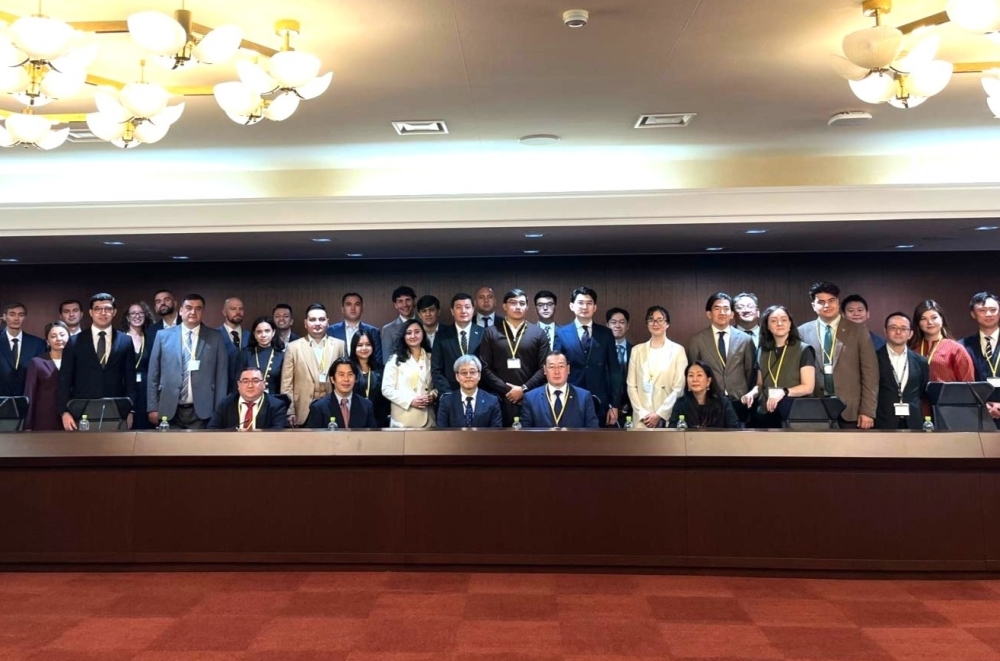
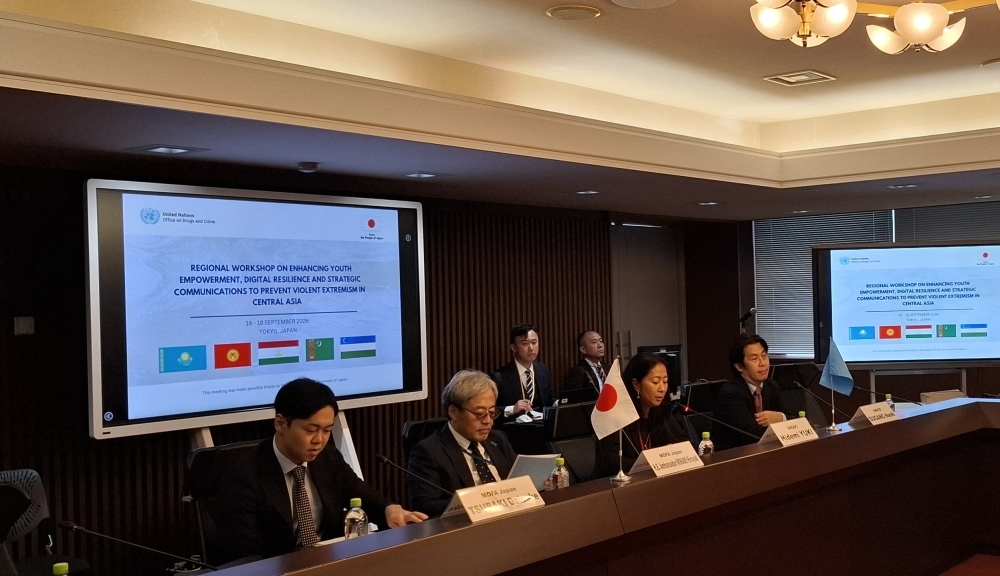
The Workshop on Counter-Terrorism and Rule of Law in Central Asia was held at the Ministry of Foreign Affairs of Japan from September 16 to 17. An overview of the workshop is as follows:
- At the outset, Ambassador in charge of International Counter-Terrorism and Organized Crime Cooperation Hiroyuki Minami welcomed the delegations from the five Central Asian countries (Uzbekistan, Kazakhstan, Kyrgyzstan, Tajikistan, and Turkmenistan) and noted the participation of youth representatives, in addition to law enforcement practitioners, in the workshop and expressed his hope that, led by the younger generation who will shape the future of the Central Asian countries, which are important partners for Japan, the workshop would help lay the foundation for maintaining peace and stability and further spread harmony and solidarity throughout the Central Asian region.
- During the workshop, themed on addressing violent extremism in Central Asia, participants took part in active discussions on responses to violent extremism in Central Asia, with the objective of creating a safer digital environment through youth empowerment and the strengthening of digital resilience. Furthermore, while sharing insights into the realities of online recruitment and propaganda conducted by violent extremist groups in Central Asia as well as good practices between law enforcement agencies and private companies of gaming industry, the participants discussed the importance of youth-led prevention approaches, community-based reintegration support, effective strategic communications, and the development of counter-narratives.
- This workshop was co-hosted with the United Nations Office on Drugs and Crime (UNODC) and the United Nations Asia and Far East Institute for the Prevention of Crime and the Treatment of Offenders (UNAFEI). It has been conducted by the Ministry of Foreign Affairs of Japan since 2024 as part of Japan's ongoing efforts to promote and establish the "rule of law" in the international community.
(Reference1)United Nations Office on Drugs and Crime (UNODC)
The United Nations Office on Drugs and Crime (UNODC), established in 1997, is the leading global organization in the fight against illicit drugs and transnational organized crime. It works to promote health, security, and justice for all, and provides legal and technical assistance in countering terrorism.
To advance the rule of law through coordinated international action, UNODC conducts research and analysis for the preparation of authoritative reports. It also provides technical assistance to States in ratifying and implementing international conventions relating to drugs, crime, and terrorism; supports the development of domestic legislation consistent with these international instruments; and delivers training programs for criminal justice practitioners.
(Reference2)United Nations Asia and Far East Institute for the Prevention of Crime and the Treatment of Offenders (UNAFEI)
The United Nations Asia and Far East Institute for the Prevention of Crime and the Treatment of Offenders (UNAFEI) is a regional institute established in 1962 by an agreement between the Government of Japan and the United Nations. Located in Akishima City, Tokyo, UNAFEI is operated by the Research and Training Institute, Ministry of Justice of Japan in collaboration with the United Nations.
UNAFEI has contributed to the enhancement of criminal justice systems and capacity-building around the world by conducting training courses and seminars, as well as to the development, dissemination and implementation of UN policies and strategies in the field of crime prevention and criminal justice.
Over the past 60 years, more than 6,800 participants from 144 countries and territories have taken part in UNAFEI's training programs (as of September 2026).