
Crime
"Tokyo Indo-Pacific Dialogue" Held
On November 24 and 25, the "Tokyo Indo-Pacific Dialogue" was held at the Sasakawa Peace Foundation in Tokyo, in cooperation with the Global Community Engagement and Resilience Fund (GCERF), the Sasakawa Peace Foundation, and the Ministry of Foreign Affairs of Japan. The dialogue was attended by approximately 85 government officials and experts from about 40 countries, who exchanged views on preventing and addressing violent extremism to promote peace and security in the Indo-Pacific region. The overview is as follows:
1. High-Level Meeting: Understanding Challenges and Opportunities (Morning of November 24)
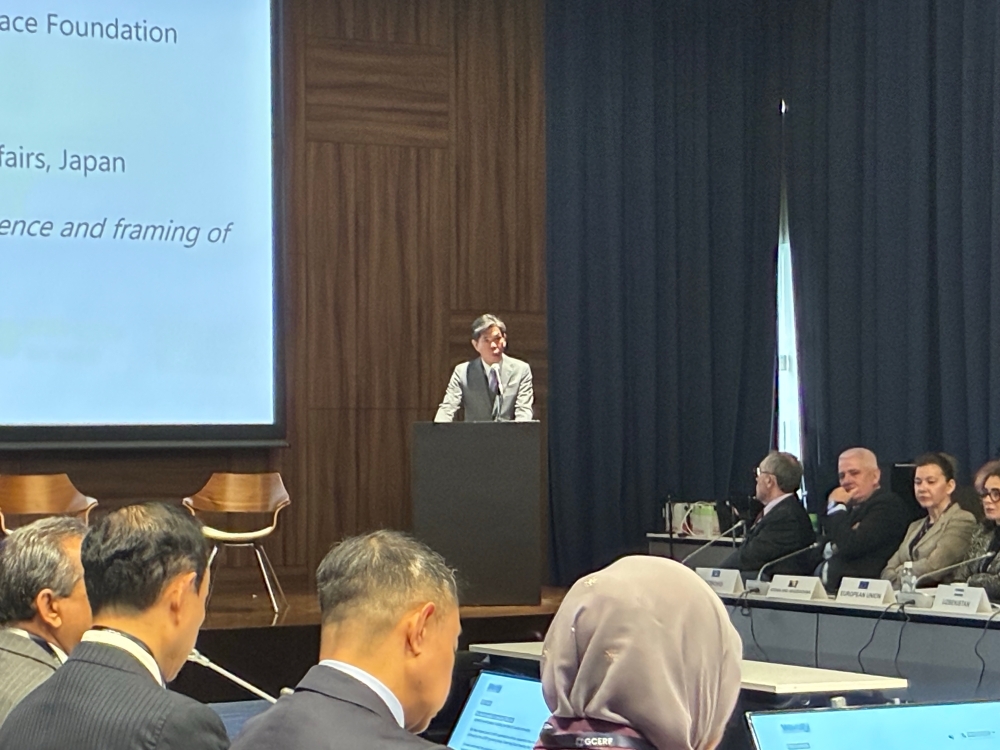
- At the opening of this meeting, Mr. ENDO Kazuya, Deputy Minister for Foreign Affairs, attended and delivered remarks. While emphasizing the importance of international cooperation and a "whole-of-society approach" to counter the threat of terrorism, which is becoming increasingly complex due to emerging technologies, he expressed his expectation that this dialogue would serve as an opportunity to deepen understanding of the Indo-Pacific region and accelerate cooperation in international counter-terrorism.
- Subsequently, active discussions took place during the meeting on the diversifying threats and vulnerabilities in the Indo-Pacific region, including online radicalization, the misuse of emerging technologies, social isolation, and economic insecurity. Participating countries shared lessons learned, noting that national government ownership and the active involvement of local communities are indispensable for effective prevention.
2. GCERF Governing Board Meeting (Afternoon of November 24 and Morning of November 25)
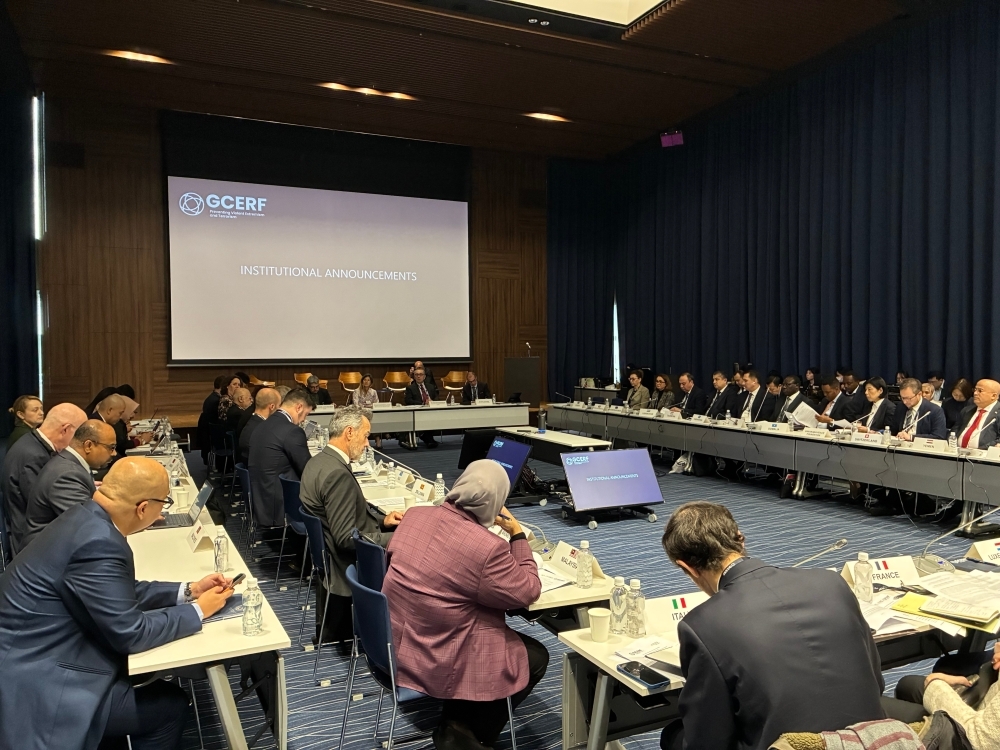
- The GCERF Governing Board meeting, held as part of the "Tokyo Indo-Pacific Dialogue," was convened in the Indo-Pacific region for the first time. Mr. TSUBAKI Daisuke, Director of the International Safety and Security Cooperation Division of the Ministry of Foreign Affairs, attended the meeting and participated in discussions on the future management and strategic guidance of GCERF.
- At the meeting, lessons learned from community-led prevention activities and measures to strengthen future partnerships were shared, drawing on the insights of regional experts and findings from field visits. In addition, priorities for 2027 toward the steady implementation of the 2026–2029 Medium-Term Strategy, as well as the expansion of donor countries to ensure the sustainability of activities, were discussed.
3. Reception (Evening of November 24)
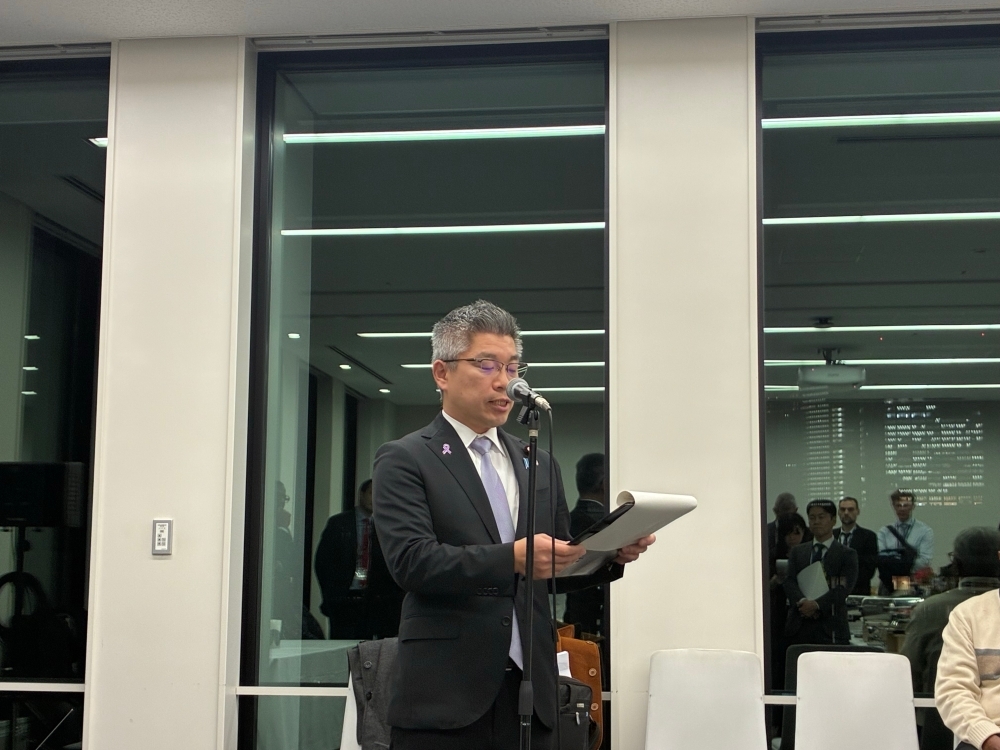
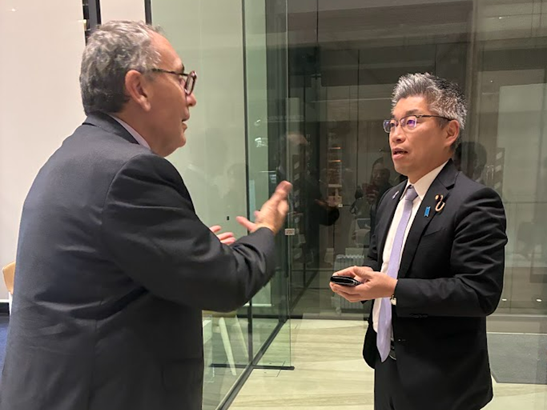
At the reception, Mr. FUJII Kazuhiro, Parliamentary Vice-Minister for Foreign Affairs, delivered opening remarks. He referred to the importance of the Indo-Pacific region and explained the "Free and Open Indo-Pacific (FOIP)" promoted by Japan. Furthermore, to counter the threats of terrorism and violent extremism facing the region, he pointed out the importance of creating synergies between government-level and grassroots-level initiatives, in addition to cooperation among national governments. He then expressed his expectation that such cooperation would be further promoted through this meeting.
4. Other Events
Other events, including a public symposium hosted by the Sasakawa Peace Foundation, were also held during the dialogue.
(Reference1) Global Community Engagement and Resilience Fund (GCERF)
Established in June 2014 at the initiative of the Global Counterterrorism Forum (GCTF), GCERF is a non-profit fund and one of the GCTF-inspired institutions dedicated to preventing violent extremism (PVE). It mobilizes resources from public and private donors, allocates these funds to projects run by local authorities, civil society organizations, and other entities addressing PVE at the community level, and conducts screening, monitoring, and evaluation. Japan participates in the fund as a member of its Governing Board and has contributed a cumulative total of approximately USD 9.2 million since 2014 to projects in countries such as the Philippines, Ghana, and Indonesia.
