
Europe
14th Tokyo Dialogue of "Central Asia plus Japan" Dialogue on "Preservation of Traditional Culture and Its Use for Industrial Development and International Activities"
March 5, 2026
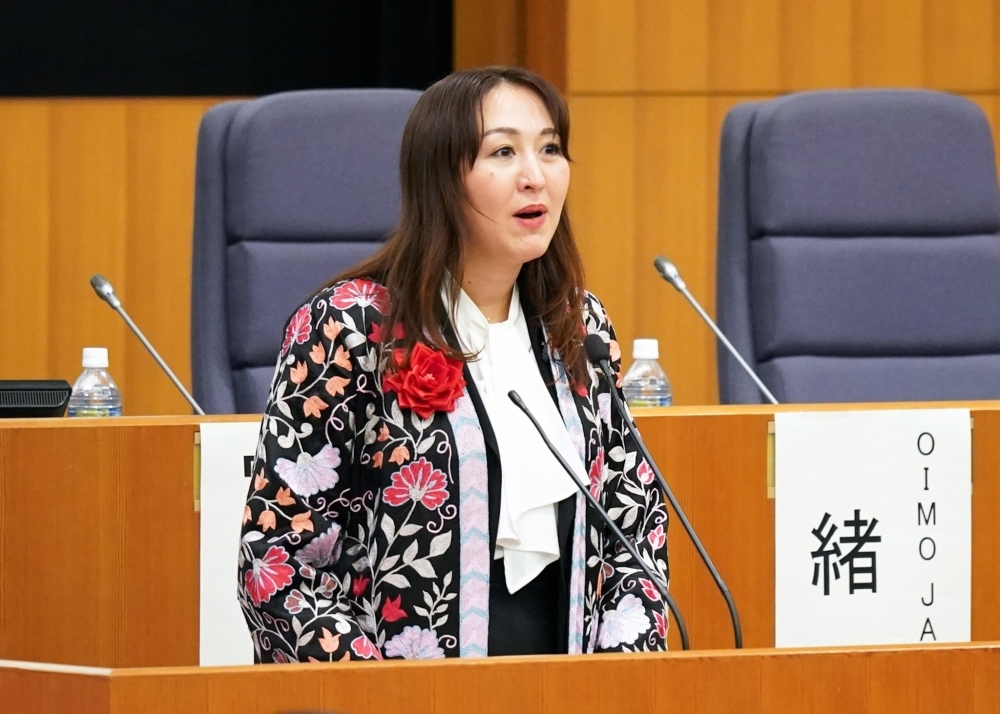

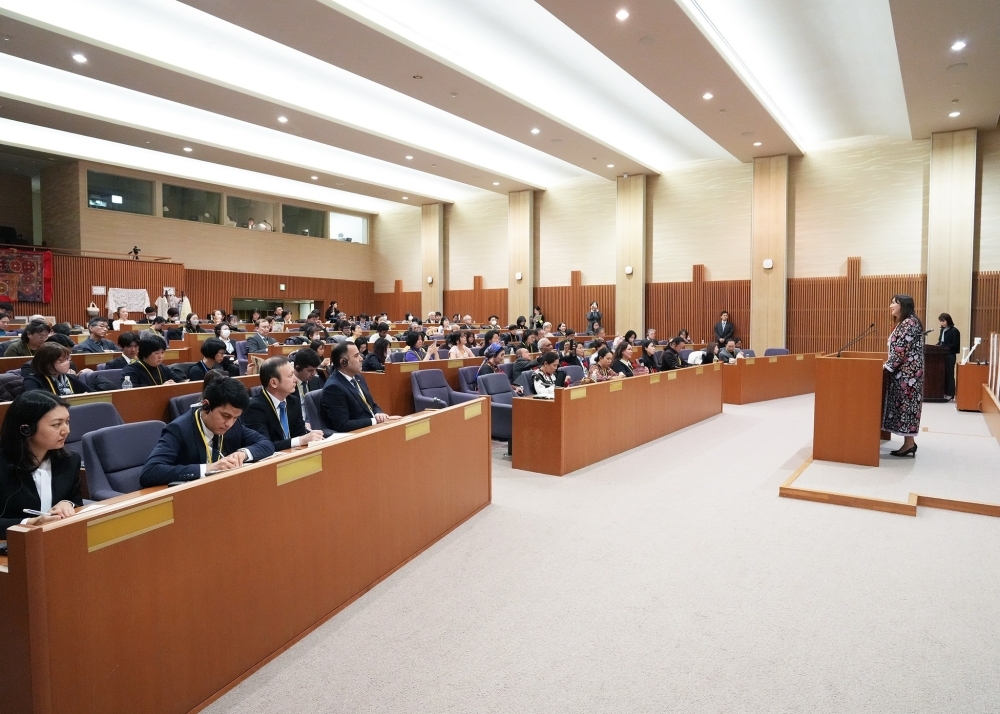
On March 5, the 14th Tokyo Dialogue of the "Central Asia plus Japan" Dialogue (CA+JAD) on "Preservation of Traditional Culture and Its Use for Industrial Development and International Activities" was held jointly by the Ministry of Foreign Affairs, The Global Forum of Japan, and The Japan Forum on International Relations.
- The Tokyo Dialogue is part of the "Central Asia plus Japan" Dialogue, a framework for promoting cooperation between Japan and five Central Asian countries (Kazakhstan, Kyrgyz Republic, Tajikistan, Turkmenistan, and Uzbekistan) in the form of an open symposium with the participation of experts and practitioners. This meeting laid out the planning for the expansion of cultural exchanges mentioned in the Tokyo Declaration, which was adopted by the leaders of Japan and the five Central Asian countries as an outcome of the first Summit of the "Central Asia plus Japan" Dialogue held in Tokyo last December. Activists in the cultural field from Central Asia and Japanese experts exchanged views on the theme of "Preservation of Traditional Culture and Its Use for Industrial Development and International Activities."
- At the outset, Parliamentary Vice-Minister for Foreign Affairs ERI Arfiya delivered an opening address, stating that this Tokyo Dialogue would contribute to the expansion of cultural exchanges between Japan and Central Asia, based on the outcome of the CA+JAD Summit held last December. She pointed out that we should preserve traditional culture in a way that keeps it alive in modern life, create value from it as an industry, and focus on contributing to international exchanges through global expansion. She also expressed her hope for specific exchanges to be promoted based on the discussions and ties created in this symposium.
- In the first half of the session, the participants who visited Japan from Central Asian countries reported on the characteristics and values of the traditional culture cultivated by each country and on their efforts to preserve it. In the second half, the participants discussed the possibilities and challenges of developing Central Asian culture in Japan from the perspective of practitioners involved in disseminating Central Asian culture.
- Finally, Mr. ISHIKAWA Masaki, Special Representative in charge of Central Asia (Ambassador) of the Ministry of Foreign Affairs of Japan, delivered a closing address and welcomed the lively discussions at this symposium. He stated that cultural exchanges will serve as the foundation for supporting long-term relationships of trust, and that the Government of Japan will utilize the CA+JAD framework to the fullest extent and support dialogue at multiple levels between Japan and Central Asia.
(Reference1) Overview of the "Central Asia plus Japan" Dialogue and the 14th Tokyo Dialogue
- Opening Remarks (Hosts):
- Ms. ERI Arfiya, Parliamentary Vice-Minister for Foreign Affairs
- Ms. WATANABE Mayu, President of The Global Forum of Japan and President of The Japan Forum on International Relations
- Moderator:
- Mr. SAKAI Hiroki, Professor, Faculty of Representational Studies, Wako University
- Presenters (in no particular order):
- Ms. OGATA Misuzu, Representative of OIMO JAPAN LLC
- Ms. Kalyiman UMETBAEVA, Visiting Lecturer of Music Studies Major, Tokyo College of Music
- Ms. Nodira AMINOVA, Representative Director of Japan Uzbekistan Cultural Center
- Ms. HIROTA Chieko, Research Fellow for Young Scientists (PD) of Japan Society for the Promotion of Science, Slavic-Eurasian Research Center, Hokkaido University
- Ms. Ulbossyn DAULENOVA, Founder of ASSYMURA and Member of the Union of Artisans of Kazakhstan
- Ms. Nargiza ERKINBAEVA, CEO of One Village One Product +1 (public interest corporation)
- Mr. Olim KAMALOV, Associate Professor, Department of Graphics and Miniature Painting, State Institute of Fine Arts and Design of Tajikistan
- Ms. Tajigul KURBANOVA, Head of creative association "Design Plus" (UNESCO)
- Mr. Urazali TASHMATOV, Professor of Department of Instrumental Performance of The Uzbekistan State Institute of Arts and Culture
(Reference2) "Central Asia plus Japan" Dialogue (CA+JAD)
From the perspective that regional cooperation to solve common regional issues is indispensable for the stability and development of Central Asia, Japan launched a dialogue framework in 2004 to promote such regional cooperation (the first Foreign Ministers' Meeting was held in Kazakhstan in August of the same year). In December 2025, the first summit meeting was held in Tokyo.
(Reference3) Past Tokyo Dialogue Results and Themes
- First Dialogue (March 2006): Prospects for Regional Integration in Central Asia and Relations Between Central Asia and Countries Outside the Region
- Second Dialogue (January 2007): Prospects for Regional Cooperation in Central Asia on Water Resources and Electric Power and Prospects for Diversification of Central Asia's Energy Supply Routes
- Third Dialogue (February 2009): Environmental Cooperation for Soil Protection in Central Asia and The Effects of Climate Change on the Environment in Central Asia and Countermeasures
- Fourth Dialogue (February 2010): Future Improvements to Logistics Infrastructure in the Central Asia Region
- Fifth Dialogue (March 2012): The Role of Regional Cooperation in Trade and Investment Promotion in Central Asia: Lessons Learned from the ASEAN Experience
- Sixth Dialogue (March 2014): Regional Development in Central Asia through Agriculture
- Seventh Dialogue (March 2015): Central Asia Symposium
- Eighth Dialogue (March 2016): Issues for Improved Connectivity in Central Asia and Possibilities for Regional Cooperation
- Ninth Dialogue (September 2016): Unknown Central Asia
- Tenth Dialogue (August 2017): Prospecting Present and Future Relations between Japan and Central Asia
- Eleventh Dialogue (July 2018): Strategic Outlook for Regional Cooperation and Regional Security in Central Asia
- Twelfth Dialogue (March 2023): Connectivity with Central Asia and the Caucasus
- 13th Dialogue (March 2024): Geographical Outlook for Central Asia